
The Thrill of Risk: Understanding the Attraction
Casino gambling is an exhilarating experience that draws many individuals into a world of chance and unpredictability. The allure of potentially winning large sums of money creates a powerful incentive for players. This thrill is often amplified by the ambiance of the casino, which is designed to stimulate excitement through colorful lights, engaging sounds, and the buzz of other gamblers. For those interested in maximizing their potential, a fast withdrawal casino uk real money option can enhance the gaming experience, making it difficult for many to resist the temptation to play.
Moreover, the psychology behind risk-taking in gambling can be traced back to the brain’s reward system. When a player wins, the body releases dopamine, a neurotransmitter associated with pleasure and reward. This chemical reaction reinforces the behavior, leading gamblers to return for more, hoping to replicate the high they experienced during their last win. This cycle of risk and reward can become addictive, as the initial excitement can morph into a compulsion to chase that feeling over and over.
The concept of loss aversion plays a significant role as well. According to psychological research, individuals experience losses more intensely than equivalent gains. Therefore, when players engage in casino gambling, they often focus on recovering losses, which can create a spiral of increased betting. This phenomenon explains why some gamblers believe they can outsmart the odds, steering them deeper into an emotional investment that clouds their judgment and leads to irrational decisions.
The Role of Cognitive Biases in Gambling Behavior
Cognitive biases are systematic patterns of deviation from norm or rationality in judgment, and they are particularly prevalent in the world of gambling. One such bias is the gambler’s fallacy, where individuals mistakenly believe that past events influence future outcomes. For instance, a player may think that if a roulette ball lands on red several times in a row, it is “due” to land on black. This misperception can lead to poor betting strategies and significant losses, as players may disregard the true probabilities involved.
Confirmation bias also plays a critical role, as bettors tend to focus on the successes while ignoring the failures. Gamblers may remember their wins vividly but conveniently forget about the many times they lost. This selective memory reinforces their belief that they have a winning strategy, which can perpetuate gambling behavior. Such cognitive distortions can create addictive patterns that are hard to break, leading individuals to chase losses and make increasingly risky bets without considering the potential consequences.

Additionally, the excitement of playing in a casino can lead to even greater cognitive biases. For example, the illusion of control is a common phenomenon where players believe that they can influence the outcome of games of chance through their actions or skills. This perception can encourage more gambling, as players may feel they have a unique advantage over the house. Such beliefs can cloud judgment and overshadow the reality that most casino games are designed to favor the establishment in the long run, ultimately leading to greater losses.
The Impact of Social and Environmental Factors
The social environment in which gambling occurs can significantly influence individual behavior. Casinos are often bustling with crowds, laughter, and celebrations around winners, creating a social atmosphere that reinforces the desire to participate. Social interaction can enhance the gambling experience, as players share in the highs and lows of their respective fortunes. Engaging with others can amplify the thrill of risk-taking, and this social facet makes the environment more appealing and less lonely, encouraging individuals to gamble more than they might otherwise.
Moreover, the presence of promotional offers and loyalty programs can further encourage gambling behavior. Many casinos provide incentives such as free drinks, meals, or rewards points to entice players to stay longer and gamble more. Such tactics tap into psychological principles related to reciprocity and commitment, luring gamblers back into the casino with the promise of additional benefits. This tactic not only perpetuates gambling behavior but can also lead individuals to prioritize their time in the casino over other activities, potentially neglecting responsibilities and relationships.
Cultural factors also have a significant impact on gambling behavior. In some societies, gambling is viewed as a normal, even celebratory activity, while in others it may be stigmatized. These cultural perceptions influence how individuals approach gambling, either as a social pastime or as something to be engaged in with caution. Those who grow up in environments where gambling is accepted may be more likely to develop a stronger affinity for it, leading to increased participation in casino gambling activities throughout their lives, further intertwining gambling with social interactions.
The Psychological Consequences of Problem Gambling
While many individuals gamble responsibly, for some, it can lead to problematic behaviors that have detrimental psychological effects. Problem gambling is classified as an impulse-control disorder that can create a cycle of emotional distress, financial difficulties, and relationship problems. Individuals may experience feelings of guilt, anxiety, and depression due to their gambling habits, which can create a vicious cycle that’s hard to escape. The urgency to recover losses often leads gamblers to take even greater risks, exacerbating their situation and further entrenching them in their addiction.
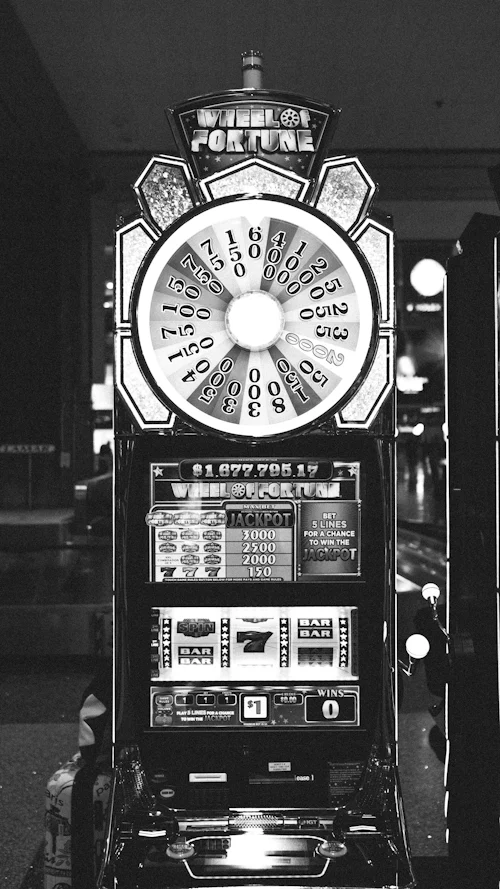
As the psychological impacts mount, many gamblers find themselves isolated from friends and family, further intensifying their emotional struggles. This isolation can lead to a lack of support, making it even harder for individuals to confront their gambling habits and seek help. Gambling addiction can damage interpersonal relationships, as loved ones grow frustrated or concerned about the individual’s behavior. This isolation can create a sense of hopelessness, prompting the gambler to retreat further into their coping mechanism of gambling, often leading to severe personal and financial crises.
Recognizing the psychological consequences of gambling is critical for both individuals and their families. Awareness of the signs of problem gambling can foster open discussions about responsible gambling and available resources for help. Understanding the emotional and psychological impacts can encourage those affected to seek support through counseling or support groups, leading them to healthier coping strategies and ultimately breaking free from the grip of gambling addiction. It is essential for individuals to understand that help is available and that recovery is possible.
Exploring Responsible Gambling Resources
The importance of responsible gambling cannot be understated, especially given the psychological complexities surrounding the activity. Various organizations and resources are dedicated to promoting responsible gambling practices, helping individuals understand the risks and develop healthier habits. These resources typically provide educational materials aimed at raising awareness about the signs of problem gambling, offering tools to manage gaming behavior effectively. Through outreach and prevention programs, these organizations strive to create a safer gambling environment for everyone, emphasizing the need for informed decision-making.
Many casinos are now implementing responsible gambling initiatives, which include self-exclusion programs, where individuals can voluntarily ban themselves from gambling activities. This proactive approach aims to mitigate the risks associated with excessive gambling and provide support for those struggling with their habits. Additionally, casinos often train their staff to recognize the signs of problem gambling and to approach patrons respectfully and sensitively, guiding them toward appropriate resources. This training is crucial as it empowers staff to identify and assist those who may be showing signs of distress.
As awareness grows regarding the psychological aspects of gambling, so does the emphasis on community support. Many regions are establishing local support groups and helplines that offer confidential assistance to individuals experiencing issues related to gambling. These platforms provide a space for individuals to share their experiences, learn from one another, and find a path toward recovery. Ultimately, fostering a culture of responsible gambling is essential for reducing the incidence of problem gambling and supporting those who need help by providing a strong network of support and education.